


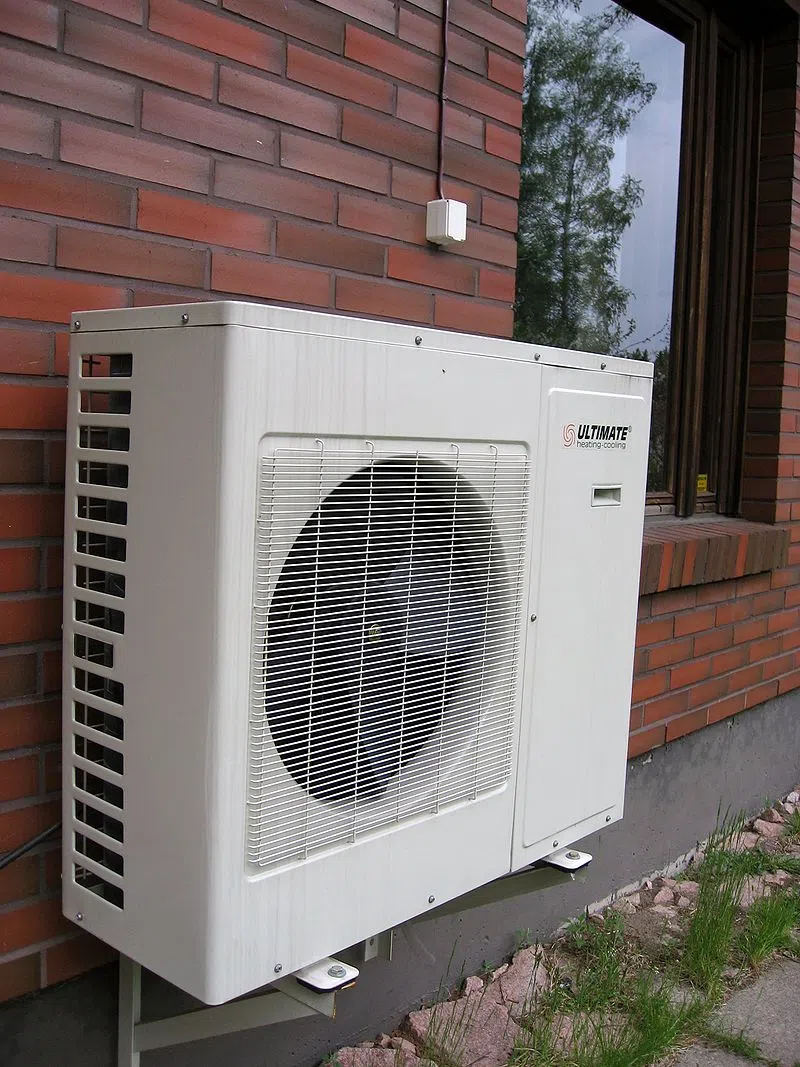
Heat pumps are becoming the trend of the future, for their cost efficiency and lower impact on the environment.
Dave Peacock of Friel Heating and Air calls heat pumps the fastest growing segment in their industry.
Heat pumps use the outside air to both cool and heat a home.
The systems have been around for a long time but were more prevalent in warmer climates like the southern U.S. because while they were great for cooling, they could not provide enough heat if temperatures dropped below approximately 0 degrees celsius.
However they’re gaining popularity in Canada because newer models have been designed to heat homes up to -25 degrees.
Peacock says heat pumps reduce our carbon footprint by creating fewer harmful emissions compared to systems using gas or oil.
The International Energy Agency (IEA) suggests that heat pumps could reduce global carbon dioxide (CO2) emissions by at least 500 million tonnes in 2030.
Heat pumps run on electricity so while your hydro bill will likely increase, there is still potential for great savings.
He says the systems are extremely energy efficient and rarely need to run at full capacity.
Peacock adds the types of refrigerant used in heat pumps are also improving.
And while the purchase and install costs vary, Peacock says government rebate programs provide great incentives to switch to a heat pump.
The IEA reports Canada is among 30 countries that provide heat pump rebates.
Peacock believes the only real con is that if it does get colder than -25, heat pumps cannot provide proper heating so some people are keeping their old furnaces as backup system.
Previous rebate programs were based on also removing the old heat source but Peacock says that stipulation has been taken away.
Read the IEA report on The Future of Heat Pumps here.


Comments