


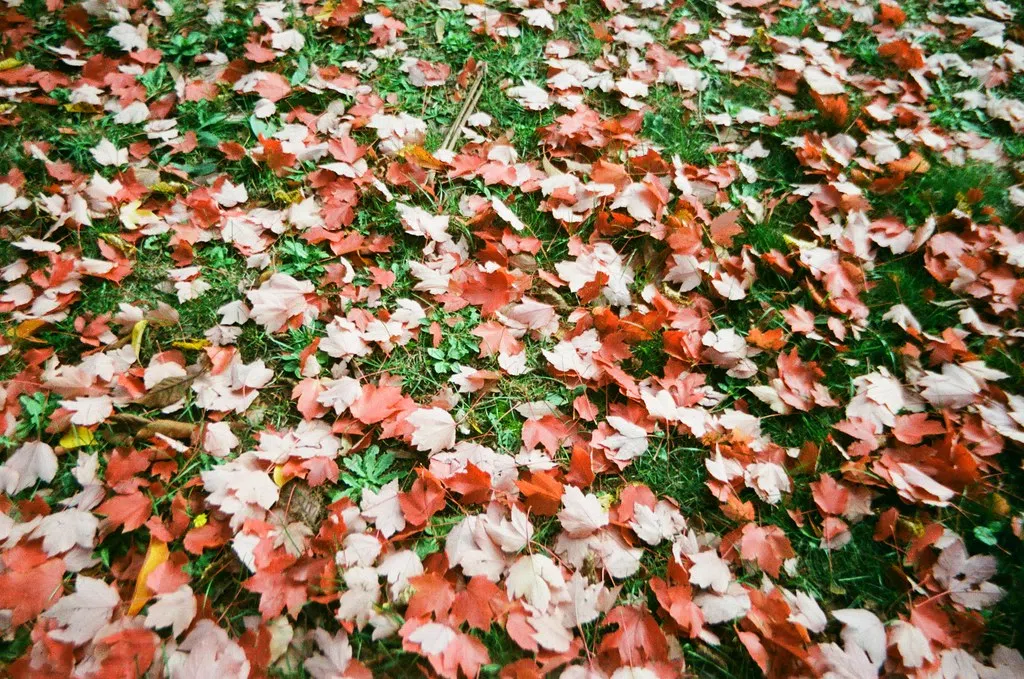
Many people are using these warm fall days to rake up the leaves from their yards, however if you haven’t yet, maybe it’s a chore you want to take off your to-do list.
Many environmental agencies and authorities are asking us to leave the leaves.
The Nature Conservancy of Canada (NCC) says leaving fallen leaves in your yard is a small act of nature conservation that can support backyard biodiversity.
Pollinators begin their lives in the leaves as larvae.
Leaving a layer of fallen leaves in your yard throughout the winter provides an insulating blanket that can help protect wildlife from cold temperatures.
Delay raking your yard in the spring until there have been a few warm days so you don’t disrupt insects and other small animals that may be living under the leaves.
The NCC says you can also create spaces in your yard for native bees to nest and overwinter by placing dead tree branches among your garden plants and having open areas of soil in your garden.
Another good reason to leave the leaves – leaves provide nutrients to the soil and act as a natural fertilizer.
Though, if you have a large amount of trees on your property, too many leaves could suffocate the grass below.
It’s suggested you redistribute leaves around the area or move them up into garden beds.
If you must get rid of the leaves, consider mulching them to use as a natural fertilizer for your flowers or added to your compost pile.
Mulching leaves will retain nutrients in the leaves for the soil but will also remove vital hiding spots for our insects, and even kills the insects already hiding under them.
If you are getting rid of your leaves, environmental experts ask you to not bag them up and send them to the landfill.
Organic waste in landfills lacks oxygen and breaks down to produce methane gas.


Comments